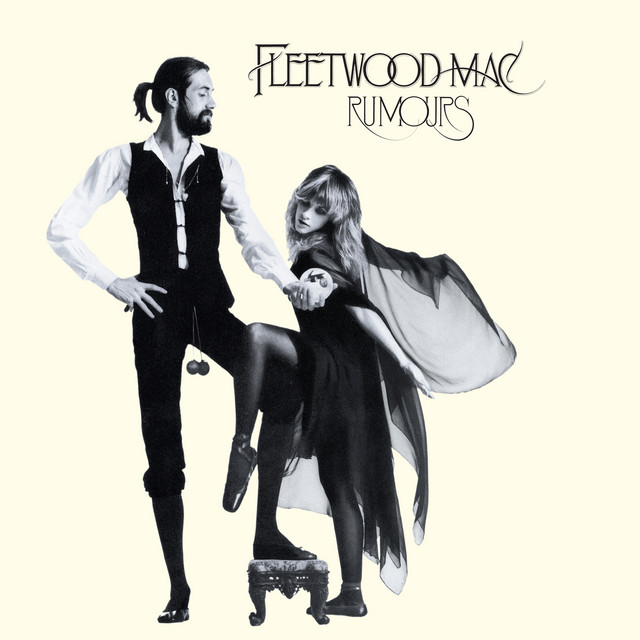
Fleetwood Mac – “Rumours” (1977)

Rating: 9.75/10

Top Track: ‘Dreams’

Finally some Fleetwood Mac. It’s incredibly hard to find someone who doesn’t like this band and if the radio is on long enough, chances are that one of Fleetwood Mac’s songs is going to come on; a song probably off of this album. Most bands at the time would have killed to write a song that could grab some radio time. Fleetwood Mac has about seven or eight songs on this album that were and still are frequently played on the radio. I mean, wow. The recording of this album wasn’t as grand however. There was so much drama surrounding the band during the recording of this album that I could probably write a few paragraphs about what happened. Shoot, a movie could be made about all of the stuff that happened leading up to and during the recording of this album. Now I can’t do that, but I can provide a nut-shelled version. Basically, the band spent six months in the limelight after their commercial success of their previous album and had spent half of a year touring nonstop. After the tour keyboardist/vocalist Christine McVie and bassist John McVie divorced after eight years of marriage. They stopped talking altogether with the lone exception being band matters. That wasn’t the only couple having troubles within the band; guitarist Lindsey Buckingham and vocalist Stevie Nicks were having an on-again, off-again relationship which led them to bicker constantly except when working on songs together. Oh yeah, and Mick Fleetwood, drummer, discovered that his wife and mother of his two children was having an affair with one of his close friends. I think it’s safe to say that the whole band was in a pretty sour mood during the 12 months of recording in a windowless recording studio in Sausalito, California. During recording, the press intruded on the band’s personal lives leading to inaccurate stories and rumors, hence the title of the album. All of this turmoil ended up showing up in the band’s music and lyrics on the album. At the risk of sounding insensitive, if it took all of this personal pain to make such a legendary album, maybe it was worth it. Because damn, this album is so, so great.

I know I always say this, but this time I really mean it. Picking this album’s top track was probably the most difficult choice out of all of my posts so far. We’re talking choosing between ‘Dreams’, ‘Never Going Back Again’, ‘Don’t Stop’, ‘Go Your Own Way’, ‘The Chain’, ‘You Make Loving Fun’, and ‘Gold Dust Woman’. What’d I say in the previous paragraph about the number of radio-songs on this album? Seven to eight? See? Seven. Now in all humility, I can count out a few of them, but that still left me with too many to choose from. I ended up landing on ‘Dreams’ because I feel like it’s the most dynamic track on the album. I like the way Nicks’ voice compliments Buckingham’s Rick Turner guitar. Christine McVie plays some mesmerizing keys on the track as well. Did I mention the amazing harmonies the band creates during the chorus? Because it’s simply heavenly. And the lyrics! The lyrics are so great. So simple, poetic, and extremely catchy. This is the type of song that could be played at a small gathering or a party or even something that can thrown on if someone wants to just vibe by themself for awhile.

I’ve made an observation about Fleetwood Mac and their recent fanbase. As anyone could have guessed it consists of people who grew up in the 1970s through the 90s; of course. But I found that a lot of people my age love Fleetwood Mac. When I let slip to a couple close friends that I would be covering this album, that’s what they said to me, “Man, I love Fleetwood Mac.” I think it says a lot about a band and their music when their work transcends generations and musical divides. Classic rock isn’t something that’s super big with a good amount of people I know who are my age. Maybe whatever is on the radio or maybe some stuff their parents played for them growing up. So they’re not really familiar with many bands of that time, but they know Fleetwood! It seems like everyone knows the lyrics to hits like ‘Don’t Stop’ and ‘Go Your Own Way’ and if they don’t, they probably should. I don’t know what it is about this band’s music specifically. Maybe it’s the lyrics, the subject matter, the overall sound. I don’t know. Maybe it’s all of those things or a completely different set of things. Whatever it is, it’s kept this band’s music alive and thriving.

Personally, I’ve never had a special connection with this band or this album. I like Fleetwood Mac, of course, as is evident from what I’ve stated in this post. My dad didn’t play a lot of Fleetwood Mac in our house growing up. Maybe occasionally. I guess he figured that he heard them enough on the radio. However, I’ve come to appreciate the fact that they’re able to write songs and take influence from their own lives and their personal pains. They titled this album “Rumours” to call out how the press had misrepresented them publicly and wrote songs about how they were feeling about each other. They manage to turn those lyrics into hit songs that have survived for over 40 years. That is simply amazing and dope as hell. So, big props to Stevie, Lindsey, Christine, John, and Mick. You guys really hit it out of the park with this album. Thank you for the great music.
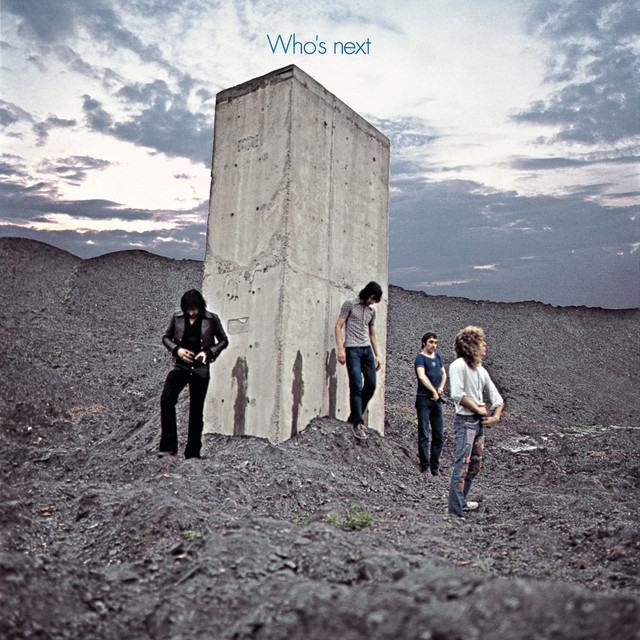
The Who – “Who’s Next” (1971)

Rating: 9/10

Top Track: ‘Baba O’Riley’

Who’s next? Why, The Who course. Time to cover my favorite album of one of my favorite bands. From the ages of 10-12, if I was asked who my favorite band was, I would enthusiastically exclaim, “The Who!” All of my dad’s friends were thoroughly impressed. In fifth grade, I played the CD of this album over and over again in my bedroom, dancing and singing along with every lyric. I would sit on my bed and try to keep up with Keith Moon playing air drums. I absolutely loved everything about this album as a kid. Even the album cover, I thought it was hilarious that the whole band had peed on a cement pillar in the middle of nowhere. It’s pretty evident that my dad bought this album used. the record itself doesn’t have a sleeve and the front cover has a penned cursive inscription of, “To the House, Best wishes, Lloyd.” So, sorry Lloyd. Whoever “the House” is doesn’t have the album anymore. The good news is that, despite some light crackling, the album still plays relatively well. This album seamlessly transitions between a heavy classic rock sound and a light progressive rock sound that was starting to explode at that time. Plus, it was revolutionary in terms of incorporating the new A.R.P. Synthesizer into rock music. Man, this album is just great.

Like most of the albums I cover, the choice for Top Track is fairly obvious. ‘Baba O’Riley’ is so instantly recognizable and a fantastic way to start off an album. This song is so popular that it’s nearly impossible to find someone who hasn’t at least heard it. Admittedly, most non-Who fans would probably mistake the song title for ‘Teenage Wasteland’. But it doesn’t really matter. From the introductory synthesizer to the pretty epic piano chord progression, this song has to be one of The Who’s absolute best. It was nothing like anyone in popular music else was doing at the time. The combination of modern electronics and that classic rock sound blended together so well to create one of the most iconic sounds of that generation. Oh, and don’t get me started on Pete Townshend’s entrance with his guitar. I remember trying to recreate his patented windmill move playing air guitar. I also love the band slows it down and breaks the song up by giving Townshend the mic and letting him sing a verse with his soft voice. Next comes the violin solo. What? A violin solo in a classic rock song? Huh? Yeah, that’s right. Dave Arbus, the featured violinist on the track takes us home with a great solo and wraps the sing with a nice bow. I could’ve picked any other song on this album to be my top track, but c’mon you can’t beat a song like this.

This album is actually the result of a failed science-fiction rock opera project called “Lifehouse” as a follow-up to the band’s previous album “Tommy”. Eight of the nine songs on this album are actually from the project, the lone exception being ‘My Wife’ written and sung by bassist John Entwistle; all the other songs were written by Townshend. The remaining tracks from “Lifehouse” would eventually be released on the band’s future albums throughout the 1970s. Any science-fiction influence that I could find one the album would be from the cover, which was supposed to imitate the monolith from the film “2001: A Space Odyssey” and the synthesizer used on certain tracks on the album. I can’t but notice the levels within each song. A lot of hard and soft sounds used in each song makes each song very dynamic and extremely unique. For example, ‘Getting in Tune’ starts off sounding like a nice soft ballad about being in a relationship but turns into something more with heavy drums provided by Keith Moon and some easy shredding from Townshend; not to mention an under-appreciated bass line from Entwistle. I feel like it’s easy for an artist to stick with one, maybe two levels within one song, but The Who really like to play with it. Speeding it up, slowing it down, going louder, getting softer, I think it’s clear why most critics view this as The Who’s best album ever. I certainly do.

One of the first CDs I ever bought with my own money was a Who best of album. I think I was around eight years old. Around that time, my favorite Who song was probably ‘Who Are You’ because it was on the classic rock station on the radio and Roger Daltrey uses the f-word once which I thought was pretty freakin’ rock ‘n’ roll dude. Other than that, maybe ‘Substitute’ because it was the movie “School of Rock” starring Jack Black. All of that changed, however when I became obsessed with ‘Going Mobile’. Holy shit. I could not get enough I remember spending long periods of time jumping and dancing on my bed to that song and running over to my CD player to play it over and over and over. It even made the cut onto one of my end-of-the-year-mixtapes in elementary school. Let me explain. At the end of every school year, while I attended good ol’ Wilson Elementary, I created CDs filled with my favorite songs from that year and passed them out to each of my classmates. So I was passing out mixtapes for six years before I even knew what I mixtape was. I believe this song made the final CD during my fifth grade year, impressing my teacher Mr. P. I distinctly remember him playing the CD on the final day of school and his exclamation of, “Oh, we’re going mobile!” when the song came on. I remember thinking to myself, “Finally, someone gets it.”

Well, that’s it for this post. My sincerest apologies for the prolonged hiatus. I will be posting double this next week to catch up and from there it will be our regularly-scheduled programming. I promised I ‘Won’t Get Fooled Again’ wink wink.

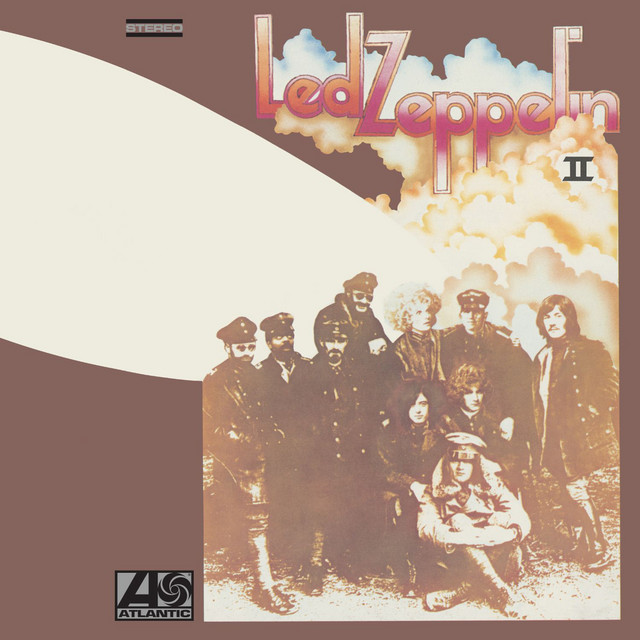
Led Zeppelin – “Led Zeppelin II” (1969)

Rating: 9/10

Top Track: ‘Whole Lotta Love’

Oh. Yeah. It’s time to cover the greatest Rock ‘n’ Roll band of all time. That’s right; I’m takin’ Jimmy Page, Robert Plant, John Paul Jones, and John Bonham. Led Zeppelin baby! If you were to ask me which band I would see live if I could travel back in time, it’s LZ hands down. The closet I’ll ever come to that happened last November when I saw Jason Bonham’s Led Zeppelin Evening at the House of Blues in Boston. Now, seeing the late, great John Bonham’s son crush the drums just like his daddy while musicians who sounded just like Page, Plant, and Jones accompanied him was amazing, but it still wasn’t the real thing. It’s like buying store-brand Cheerio’s instead of the real thing; it may taste similar, but, deep down, we all know it’s not the same thing. So, all I have is listening to Robert Plant belt and scream while Jimmy Page shreds away through my speakers. This album was released during a very busy point in the band’s early career. All the songs were written during the band’s tour of their first album, ‘Led Zeppelin’, and recorded at different locations throughout the United Kingdom and North America from January to August 1969. It was a commercial success. It was the band’s first album to reach number one on charts in the UK and the US. Even the album’s cover designer, David Juniper, was nominated for a Rest Recording Package Grammy Award.

There were really only two horses in the race for Top Track, ‘Whole Lotta Love’ and ‘Heartbreaker’. It was a tough decision. I ultimately landed on ‘Whole Lotta Love’ because of how it ends. Both songs have legendary guitar riffs and unforgettable guitar solos, but ‘Whole Lotta Love’ ends with a fantastic vocal performance from Plant. Oh yeah, I almost forgot about Bonham’s incredible percussion solo. As a whole, ‘Whole Lotta Love’ is a more experimental, abstract song; and as much as I love ‘Heartbreaker’, it’s more a straightforward hard rock song. There’s absolutely nothing wrong with that, but I believe that thinking outside the box is what drove this band forward and influenced so many future rock legends. The way Jimmy Page layers the guitar tracks in this song makes it sounds like there are two different Jimmys talking to each other through their instruments. Page’s love for the blues comes through when he slides down his guitar and adds his own twist by making it sound like there are fighter jets overhead. Page is far and away my favorite guitar player to play air guitar along with. While I can play my air guitar along with pretty much every song on this album, there’s something about this song in particular that just gets me every time. The Led Zeppelin fans know what I’m talking about. I’ve tried and failed to sing “Oh!” just like Robert Plant does. How does one man sing one syllable so well?

One thing, I think everyone should know about this band is that Jimmy Page was the mastermind behind almost everything the band did. He wrote almost all of the music and produced every single one of the band’s albums. Shoot, he even brought the entire band together. He had the idea for a heavy-sounding supergroup in the late 1960s while hanging out with The Who’s drummer Keith Moon and bassist John Entwistle along with Yardbirds’ guitarist Jeff Beck. Unfortunately, a lack of a solid vocalist and contract obligations killed the idea. During that time, however, Moon suggested the name “Lead Zeppelin” after Entwistle made the comment that the project would take to the air like a lead balloon. After joining and playing with The Yardbirds for a bit, Page’s dream came to fruition. Band members Keith Ralf and Jim McCartney left the Yardbirds in 1968, leaving Page to reconfigure a group to finish tour dates in Scandinavia. Page eventually ended up recruiting vocalist Robert Plant and drummer John Bonham. Bassist John Paul later contacted Page asking to join the group. This new group finished the tour as the New Yardbirds, but later established themselves as their own group under the name “Lead Zeppelin” inspired by John Entwistle’s past comment. The same was soon changed by their manager, Peter Grant, to “Led Zeppelin” to avoid the mispronunciation of “Leed Zeppelin“. And thus, Page’s supergroup was formed.

It’s crazy to me that Jimmy Page came up with all of these amazing guitar solos and riffs for the first four albums in just three years. I mean, every single track off of this album is just teeming with guitar genius. Even songs like ‘Moby Dick’, which is mostly just a long Bonham drum solo, features a great combination of drums and guitar right at the beginning. Even ‘Thank You’ features some great acoustic guitar, showing just how talented the young Page was. Now, I could go on for miles about how great Jimmy Page is, because there really would be no Led Zeppelin without him. But there wouldn’t really be a Led Zeppelin without the other members either; or at least the band wouldn’t have been as great as it was. Both Jimmy Page and Robert Plant shared an extreme love for the American blues. While Plant wasn’t the guitar player page was, he manage to bring his blues influence into his vocals by giving his own take on the wailing classic blues singers were known for. And when the band really wanted to dive into the blues sound, he was ready to go on harmonica. Just listen to the beginning of ‘Bring It on Home’.

Let’s talk about that Led Zeppelin rhythm section. I’m going to be honest, they do not get the amount of credit they deserve. Granted, to Led Zeppelin fans and drum-heads, John Bonham is the greatest drummer of all time. As a LZ fan, I concur. This man laid the groundwork for future hard rock and heavy metal drummers and continued to be a drumming icon up until his untimely death in 1980. Bonham made it known that the drummer wasn’t in the band just to keep rhythm, they could be a driving force within the band and even be a contributing factor in terms of songwriting. Bonham brought in a lot of his own ideas for songs, which was unprecedented with bands at the time; the drummer was usually considered dispensable. The other half of LZ’s rhythm section consisted of bassist John Paul Jones, easily the least popular member of the band. That’s not a slight to good ol’ JPJ, but when you’re in a band with Page, Plant, and Bonham, it’s very likely that you take the backseat. However, every great band needs a great bassist and there are some fantastic bass lines throughout LZ’s catalogue. A great example off of this album in particular is ‘The Lemon Song’. JPJ served as a great ying to Jimmy Page’s yang. He wasn’t flashy, he considered “cool”, but he was definitely a major factor in LZ’s success.

Many people think of Page and Plant when they think of Led Zeppelin, and I don’t blame them. They take up a lot of real estate on people’s Led Zeppelin pie charts, if you will. My pie chart will always give 1/4 apiece to each founding member. I love this band and I love this album (my favorite LZ album). I am definitely going to cover more Led Zeppelin in the future. Rock on!

Nirvana – “Nevermind” (1991)

Rating: 10/10

Top Track: ‘Smells Like Teen Spirit’

Welcome to my tenth post! I decided to start the precedent of writing about one of my albums every tenth post, which is why I’m covering a Nirvana album this week. While I love writing about of my dad’s vinyl collection, I wanted to include some of my own personal collection to this blog. This album was a Christmas gift from my mom last year and is one of the few vinyl records that I did not inherit from my dad. It’s also a 180 gram vinyl, which means it’s thicker and heavier than the average vinyl record which is believed to give it a smoother ride on the turn table and subsequently a richer audio quality. I can attest that it definitely sounds better through my speakers than through my earbuds. Grunge music is meant to be played loud. No exceptions. This album is also the first to receive a 10/10 rating. That might seem bias since it’s my album, and that might be the case, but hey, this is album is number two on my list of top albums. Plus, Kirk Cobain is one of the greatest song writers of all-time; I’m talking Bob Dylan, John Lennon, Joni Mitchell caliber-level. Now, that’s just my opinion, but you don’t revolutionize the music world by being mediocre. This album took the world by storm, and it blew my teenage mind when I first listened to it.

While an argument for tracks like ‘In Bloom’ and ‘Come As You Are’ to be named Top Track could be made, ‘Smells Like Teen Spirit’ is simply one of the greatest songs to be recorded. Kurt’s signature chord progression and Dave Grohl’s snare drum hits at the start of the song make it instantly recognizable and a great start to a terrific album. Cobain was inspired to create the “ultimate pop song” after listening to the Pixies. He came up with ‘Smells Like Teen Spirit’. The wall of sound that just comes blasting out of my speakers is insane. The thing with listening to music on my phone through my earbuds is that I can only play it so loud before blowing out my eardrums. With my turntable and speakers, I can truly turn it up. Not only do I consider this one of the greatest songs ever, it’s inarguably one of the best songs to headbang to, which I am currently doing. And with my shaggy pandemic hair, it’s really fun. There is no perfect song, but this one comes pretty damn close for me. The combination of Cobain’s lyrics and vocals, Grohl’s incredible drumming, and Krist Novoselic’s simple, but effective bass playing is something can never be recreated. The lyrics to this song are truly interesting and somewhat cryptic. And I think most of us are guilty of butchering the “a mulatto, an albino, a mosquito, my libido” line. The song’s music video is also legendary in its own right. I mean, it has over 1 billion views on YouTube. I wasn’t alive in 1991, but I can just imagine that video was all over MTV at that time. I just can’t get enough of the janitor and his mop; if you know, you know. Suffice to say I absolutely love this song. And if my gushing wasn’t enough to prove that this song will forever remain one of the greatest songs ever, Weird Al Yankovic made sure it was cemented in music history forever with his parody ‘Smells Like Nirvana’. In it, he makes fun of the fact that it’s hard to tell what Kurt is singing half the time and legend has it that he called into Nirvana’s dressing room before the band’s legendary SNL performance asking if he could parody the song. Man, I love everything about this song.

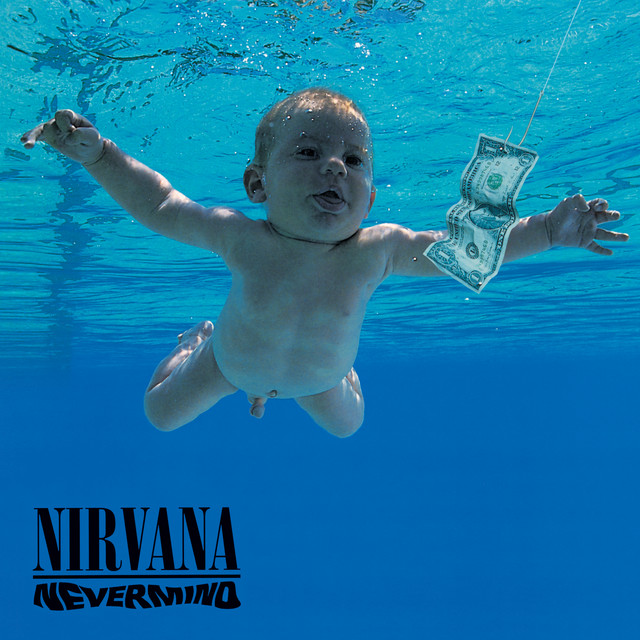
Let’s talk about the album cover. It’s a naked baby in a swimming pool going after a dollar bill on a fish hook. Why? Who knows and who cares. I’m sure there is a big ol’ story behind the whole thing, but that would be way too much detail and way too much for me to go into. Besides, I’m here to write about the music. All I’ll say about the cover is that it’s one of the most well-known album cover in pop culture history. The members of band at this time consisted of singer, guitarist, and songwriter Kurt Cobain, drummer Dave Grohl, and bassist Krist Novoselic. This was Grohl’s first appearance on a Nirvana album as previous band drummer, Chad Channing, just wasn’t cutting it for Kurt. The band started recording the album with Channing, but decided to can him a few days into recording. The only sound of Channing’s drums left on the album are some symbol crashes on ‘Polly’. This album would push Grohl into the limelight with the rest of the band and would allow him to rise to his own level of stardom as the frontman of this own band, the Foo Fighters, after Cobain’s death in 1994.

For me, there is no low point on this album; and that includes the last track ‘Something In The Way’ with hidden track ‘Endless, Nameless’. Both slower tracks about Cobain’s experience with homelessness. The thing I love about Cobain’s lyrics is that he put his heart and soul into every single track. There is no fluff or filler tracks on this album. Every song, every lyric has some sort of meaning; and that’s something that’s difficult to find with many artists. This album also features the first backup vocals on a Nirvana record when Grohl played some of his own songs for Cobain and the two shortly started to practice harmonizing. A great example of this is ‘Polly’. Grohl can be heard backing up Cobain during the chorus of the song. Grohl, only 22 at the time, had a higher pitched voice which compliments Cobain’s gruff, bronchitis-filled voice. In a song about domestic abuse, the simple acoustic guitar and harmonies give a nice break to the heaviness of the rest of the album.

I could write about this album forever if I had the opportunity, I mean a new post dedicated to every single track on the album. I guess I could do that with this blog, but I don’t think many people would enjoy reading my fanboy love letters to Nirvana. I acknowledge that this album’s sound might not be for everyone and that’s okay. That’s what this blog is all about. Giving some different music a chance. My argument to that immediate dismissive quality some people have is that music is not all about sound. It’s about the message and the intent of the artist. Kurt Cobain is a once-in-a-lifetime kind of artist. I think his genius and songwriting abilities are some of the greatest the world has ever seen or heard. And I think his music will live on forever. It’s just too bad he couldn’t.

The Velvet Underground – “Loaded” (1970)

Rating: 9/10

Top Track: ‘Sweet Jane’

Back to our regularly scheduled programming. If anyone has been keeping track, I post one of these review-ish things every Thursday. The Mothers’ “Freak Out!” was a special exception for my dad’s birthday. Today’s album is Velvet Underground’s “Loaded”, released in 1970 and the main cause of Lou Reed’s exit from the band (side note: I will be covering one of Reed’s biggest albums real soon, wink wink). My dad actually had two copies of this album and the one I pulled out and am currently listening to is the more beat up of the two. The corners of the sleeve look like they’ve been chewed on and it also has been split so that it opens like a book, which it is not supposed to do. It’s obvious that my dad bought this record second-hand as the name ‘Phillip Gonzalez’ has been penned into the front cover. It’s all taped up and faded, but I think it just adds to the proto-punk aesthetic. Man, I hope this thing doesn’t start skipping. It sure crackles a lot, but that’s just part of the vinyl experience; some albums are well-kept and in good condition and some are loved just a little too much and end up almost falling apart. Kind of like The Velvet Underground.

Sorry, I got distracted singing along to ‘Sweet Jane’, what a classic. Unlike most vinyl records, there is no pause between ‘Who Loves the Sun’ and ‘Sweet Jane’, the first two tracks on the record. Those gaps are actually visible on the record itself as black blank spaces between the raised grooves which are, of course, the songs. The gap between those first two tracks is barely visible, almost nonexistent. Lou Reed, arguably the frontman of the group since he wrote most of the songs and provided most of the lead vocals, was upset about this song in particular because he claimed it was re-edited without his consent. He was upset the “heavenly wine and roses seem to whisper to her when she smiles” melody was cut out in order to make the song shorter; which is why it’s a little over 10 seconds longer on streaming platforms than the original vinyl. The intent of the melody was to provide a nice flowing bridge between the song’s earlier 4-chord riff and it’s 2-chord riff towards the end. The reason it was cut was because Atlantic Records wanted each track on the album to be treated as a single, but I’ll get to that later. Personally, I prefer the bridge left in, it just adds that something extra. Too bad the producers wanted the song under four minutes. The simplicity of the guitar riffs and the vocals from Reed make this song my favorite on the album.

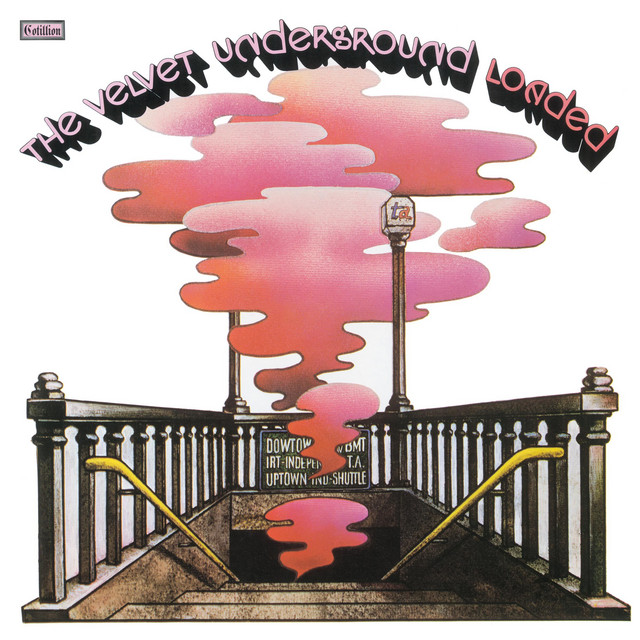
Reed left shortly after the album’s recording, three months before it was even released in fact. Which is why many people consider this fourth studio album the “last true Velvet Underground album”. In addition to his claims about the re-editing, he also felt snubbed by being listed third in the credits on the back cover, the song credits going to the band instead of himself and the wide picture on the back of bassist Doug Yule playing the piano in the studio. While I’m talking about credits, Maureen Tucker (also called as Moe Tucker) was credited with drums on the album even though she was pregnant during recording and does not actually appear on any of the songs. Most of the drumming was actually performed by Yule, session musician Tommy Castanero, recording engineer Adrian Barber and Yule’s brother Bill. A lot of people wore a lot of hats during the making of this album and it must have been super hectic, but boy is it a gem. Even the cover artwork done by Stanislaw Zagorski featuring the Times Square subway entrance is imperfect with “downtown” misspelled as “dowtown”. Go ahead, scroll up and check it out.

The meaning behind the title of the album “Loaded” is that the goal of this album was that it was supposed to be “loaded” with singles. With of course the added double meaning of being “loaded” with drugs, I mean, we’re talking about 1970 here. The album was a commercial effort by Atlantic to get some radio play. Which is why the original pressing of the album’s length is 39:48 compared to 40:35 of the “full length version”. The band had already gained some commercial recognition by working with Andy Warhol on their first album, “The Velvet Underground & Nico”. You might recognize the album cover of Warhol’s famous banana painting. The band also had a surprise hit with ‘Pale Blue Eyes’ off of their previous album, “The Velvet Underground”. This album did, in fact, end up being their most commercially successful album, but ended up driving the band apart. Founding members Sterling Morrison and Maureen Tucker would leave the band in 1971. The fifth and final studio album featured none of the Reed-era members other than Doug Yule who wrote and recorded most of the album himself. This brings up an existential question for me as a fan of music. Would I rather have a band I love implode while making one of the greatest albums ever or have the band stay together pumping out mediocre record after mediocre record. It’s a tough one. All I can say is thank you, Velvet Underground. Thank you for the wonderful music. Also, if they hadn’t have broken up, we wouldn’t have Lou Reed’s amazing enigmatic solo career. To wrap this thing up, I just want to comment on how The VU’s sound on this album was unlike anything people had heard at the time and sparked inspiration in a lot of young musicians who went on to create the underground punk movement of the late seventies. Classic rock or proto-punk, this band was amazing.

The Mothers Of Invention – “Freak Out!” (1966)

Rating: 8.25/10

Top Track: ‘Trouble Every Day’

My dad would’ve been 65 years old today. So, I thought it would be apropos to review an album of my dad’s favorite musical mind, Frank Zappa. The Mothers Of Invention being Zappa’s first project and band usually just called the Mothers. This album sets some firsts for this blog as well as the music world in general. It’s not the first debut album, but it is the first two-record debut album on this blog. In fact, it’s also the first double album covered on this blog. ‘Freak Out!’ set a good amount of precedents when it came to releasing albums. It’s credited as one of the first true concept albums ever created as well as one of the first double albums and two-record debut albums ever made. the musical genres on this album range from rhythm and blues to doo-wop to more avant-garde musical arrangements. The album served as Zappa’s satirical expression of American pop culture and rising “freak scene” or hippie movement. While it wasn’t well-received in America, it did really well in Europe and actually developed a cult following in the States. The album was later recognized for it’s genius (after Zappa’s death) in 1999 when it was honored with the Grammy Hall of Fame Award. and in 2003, when it ranked among Rolling Stone‘s “500 Greatest Albums of All Time”.

Zappa wrote in his autobiography, The Real Frank Zappa Book, that, “If you were to graphically analyze the different types of directions of all the songs in the Freak Out! album, there’s a little something in there for everybody.” And the little something in this album for me is ‘Trouble Every Day’, or ‘Trouble Comin’ Every Day’ depending on where you look. This song is probably one of the easier listens off of this album. Admittedly, the catchiest song on the double album is ‘Wowie Zowie’, I mean come on, how could a song with that title not be the catchiest on an album. But ‘Trouble Every Day’ takes the cake because of how much it rocks. It’s by far the heaviest track on the album, although ‘The Return Of The Son Of The Monster Magnet’ has a dark avant-garde sound, but that track is definitely not something you can just throw on for pleasure. ‘Trouble Ever Day’ has a great heavy guitar riff and the added harmonica adds a great blues vibe. Additionally, I think this song has the best lyrics of any song on this album. I think this is just a longwinded way of saying that this song will get any listener tapping their foot and bobbing their head. Oh, and that line, “Hey, you something people? I’m not black, but there’s a whole lots of times I wish I could say I’m not white.” Same, Zappa. Same.

For once, I am not going to lather on the compliments when it comes to the vocals on this record. One listen and anyone would know why. Let’s just say singing was none of the Mothers’ strong-suits. Good thing blues and all it’s relative music doesn’t really require great singing. Ray Collins and Zappa provided all of the lead vocals on this album, with Collins also credited for harmonica, cymbals, sound effects, tambourine, finger cymbals, bobby pin & tweezers. I don’t know how exactly one would play the latter two, but knowing Zappa’s canon of music, it doesn’t surprise me that small objects like those would or could be played on an album. This album is more focused the music itself and the message the lyrics send. The Mothers kind of threw everything at the wall to see what would stick with this album and that strategy actually worked. I mean, 22 people in the band’s auxiliary just for this album? It’s no wonder MGM thought they spent way too much on this album, $25-35,000 ($275,800 today). This album is now a part of rock and blues lore and an inspiration to many musicians today. Shoot, even the lead guitarist of Coldplay, Jonny Buckland, credits Frank Zappa as being one of his biggest inspirations, and it doesn’t get any more mainstream than Coldplay.

In all honesty, this is a post of very little substance. Go ahead, read it back. It’s mostly empty calories of regurgitated information that could be found with minimal research. Sure, maybe the few people who read this may not have found any of that stuff out had I not written it, but if this post is compared to all my other posts, it’s probably my least personal.

Well, here’s the personal part.

My dad LOVED Zappa. I mean, to his core. And I was never into any of his stuff until after my dad passed away. This is my first time listening to this album all the way through. And it’s hard to not think of my dad with every note. That’s why I wanted to write this today, not to talk about the satirical musings of a musical genius, but to honor my dad. Simple as that. Every week I sit down and I listen to one of his albums. An album he’s touch and handled and flipped and listened to. And as I listen, I sit in a room filled with now-antique rock posters on the walls; the most recent addition being a 24″x30″ of Frank himself shredding away on his “Baby Snakes” SG. All of those posters, just the albums, were his. But now they’re mine. And I can’t let them sit dormant, I have to give them life. That’s why I started this blog. This music, my dad’s music, needs to be listened to and it’s my duty to play it.

My Papa would have been the big 6-5 today. So, this one is for him. And wherever he is right now, I know for damn sure he’s cranking some Zappa. Crank it Papa, crank it. Love ya and miss ya. Happy Birthday.

Joni Mitchell – “Blue” (1971)

Rating: 8.5/10

Top Track: ‘California’

Finally, FINALLY a female artist. Took me long enough, but here we are. I made this choice very carefully as my dad was a big fan of Joni Mitchell. A near-perfect mix of pop and folk with that unique voice of hers, she paved the way for solo female artists. Oh, and she can write amazing songs like no one’s business, just listen to her words on this album. I mean, wow. In fact, this album is probably what cemented her as a music legend; just take a look at its track record. The New York Times chose it as one of the 25 albums that represented “turning points and pinnacles in 20th-century music” in January 2000. In 2012, “Blue” was rated number 30 on Rolling Stone‘s list of the “500 Greatest Albums of All Time”, the highest by a female artist on that list. And more recently, in July 2017, this album was chosen by NPR as the greatest album of all time made by a woman. Just like her songs, the impact of this album is so powerful.

I’m not going to lie, I had pretty tough time choosing a top track for this album. For every other album I’ve covered, it hasn’t been too tough of a decision; this album’s top track choice has been the most difficult, hands down. I eventually decided on ‘California’ because it sounds like what I think of when I think of Joni. It’s just such an uplifting song that fits pretty well with the time of year we’re currently in; it’s a great summer song to play while driving around. Also, James Taylor plays guitar on this track. James Taylor! Another one of my dad’s favorites. Taylor lays down some fun and playful guitar licks on this song. Joni’s singing on this track is the best on the album in my opinion. The way she sings the song almost sounds like she’s just telling a story in her silky smooth voice. Also, it’s a song about my home state. It just hits home for me, pun intended.

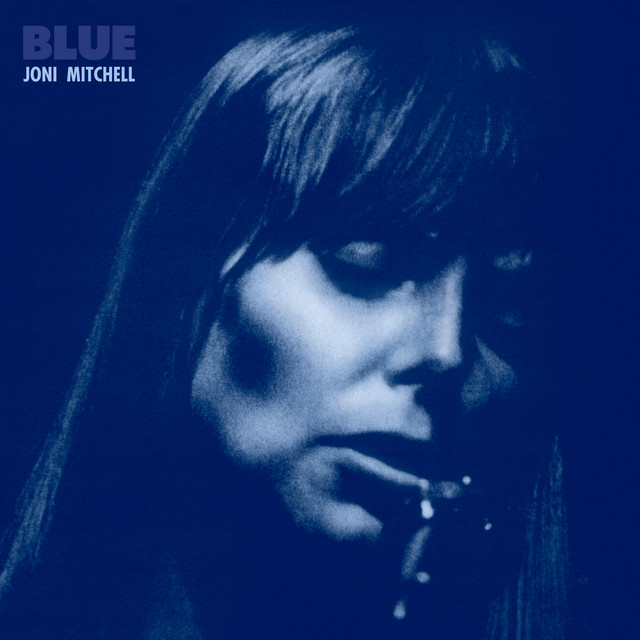
Before recording this album, Joni Mitchell decided to take a break from performing after her success from her previous album “Ladies of the Canyon” which contained the two big hits ‘Big Yellow Taxi’ and ‘Woodstock’. Although she never made an appearance at Woodstock, the single took on big commercial success after its release one month after the festival in 1969. While vacationing in Europe, she sent a telegram to Graham Nash with whom she had been in a relationship with for almost two years letting him know that the relationship was over. Ouch. It is thought that the songs ‘My Old Man’ and ‘River’ were inspired by the relationship. Every single song’s lyrics on this album are so poetic and yet so direct, it’s amazing reading the lyrics on the inside cover while Joni sings them.

Just like I remarked about Marvin Gaye in my last post, no one sings like Joni Mitchell today and I don’t think anyone will in the future. If a warm summer’s breeze could sing, it would have the voice of Joni Mitchell. I could listen to her sing all day from my turntable through my speakers. Her singing is so smooth and dream-like, it could put me to sleep in a good way. Not only does she sing well, this album is almost 100% all her. With the exception of some added guitar, bass guitar, and drums on some tracks, this album is comprised of only Joni. Jumping back and forth from her folk-style acoustic guitar playing to her contemporary playing of the piano, Joni Mitchell creates an album unlike any I have heard before. It’s like if Bob Dylan and Erik Satie had a love child. Mitchell’s ability to tell stories through her lyrics is unparalleled by itself, but her skill in telling stories with just her instruments is equally, if not more impressive. While she has changed the sound of her music over the years, she is still arguably the best female folk singer-songwriters ever. Scratch that. One of the best folk singer-songwriters ever. Period.

Marvin Gaye – “Let’s Get It On” (1973)

Rating: 8/10

Top Track: ‘Let’s Get It On’

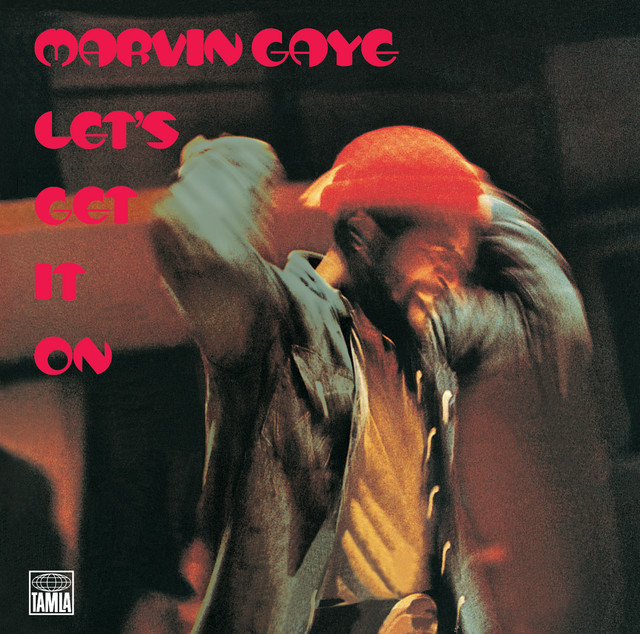
I was taking a look at my blog page recently and noticed that it is mostly white men. I wanted to change things up a bit and add a person of color (POC) to the list of artists and not have Jimi Hendrix be the token POC on my blog. My dad’s record collection consists of mostly 70’s classic rock and prog rock, which is mostly white men. I was looking for a POC artist I could cover on this blog along with an album of theirs that most people would be familiar with; and there was Marvin Gaye just waiting for me. I couldn’t find “What’s Going On”, but “Let’s Get It On” is easily my second favorite Gaye album. It’s a great combination of early R&B, funk, and soul which gives some credence to Gaye’s nickname “Prince of Soul”. This self-produced album with the help of Ed Townsend was centered around Gaye’s belief that, “I can’t see anything wrong with sex between consenting anybodies. I think we make too much of it. After all, one’s genitals are just one important part of the magnificent human body.” – inside cover of “Let’s Get It On”. Well, let’s get it on and talk about an album all about sex.

Is there any surprise in my Top Track pick? Well, there shouldn’t be. ‘Let’s Get It On’ is rightfully the title track of the album and an absolute all-time classic. I can’t speak for Marvin, but I think the idea behind the song, and whole album, is that the listener would throw on the album right before two people made sweet love. The instantly-recognizable intro of the wah-wah notes from a guitar and the crash of symbols is now synonymous with making love; for that, I gotta blame Hollywood for seemingly inserting the song in every love scene since 1973. I think almost everyone who has heard this song is guilty of trying to match Gaye’s voice from the high croons to the softness of the hook. The combo of the funky guitar and simple rhythm of the drums is sure to tempt anyone into dancing and grooving along with Marvin. I, myself am guilty of dancing like an awkward hooligan alone in my room to this song. No one has caught me, yet.

I do have to point out one flaw in Marvin Gaye’s idea for an album to be made love to. He made it in 1973. Someone would have to get up and flip it over at some point during the act. Right? All jokes aside, can I also point out how smooth and dreamy Marvin Gaye’s voice is? As I currently listen to his voice coming through my speakers, all I can think is, “Wow, that man’s voice was a once in a lifetime kind of voice.” I mean, really, who is ever going to sing like him again? Sure there are R&B artists who come close, but c’mon. This man is one of the people who brought R&B to the mainstream and created a larger following of Motown music. He was just one of those people whose voice transcended all of the corporate music crap that black artists had to deal with back then. His voice appealed to almost everyone, from jazz enthusiasts to hard core rock dudes. Marvin Gaye pushed the envelope, he created a whole album dedicated to sex for crying out loud! Not only was this album his most commercially successful, it cemented him as a sex icon of the time and cemented his music as some of the greatest of all-time.

This was my first time listening to this album all the way through. I didn’t know much about Marvin Gaye other than his hits, but this album taught me a lot about how musical artists can present themselves to the world through their music. Gaye wanted to create an album about sex and he did that. That’s what wanted to be seen as: a sex symbol. No one was going to tell him any different. He had complete creative control and created a masterpiece of an album. The reason this album is so great is because Gaye new how to create a themed album. The songs on this album is almost like a group of paintings from an artist’s collection. They’re each individually different and great in their own way, yet fit together and compliment each other so well. Bravo, Marvin Gaye, bravo.

Now I would like to end this post with a quote printed on the vinyl album itself, à la my post on “Are You Experienced”, from the love-making, beanie-wearing “Prince of Soul” himself.

“I contend that SEX IS SEX and LOVE IS LOVE. When combined, they work well together, if two people are of about the same mind. But, they are really two discrete needs and should be treated as such. Time and space will not permit me to expound further, especially in the area of the psyche. I don’t believe in overly moralistic philosophies. Have your sex, it can be very exciting, if you’re lucky.

I hope the music that I present here makes you lucky.” – Marvin Gaye

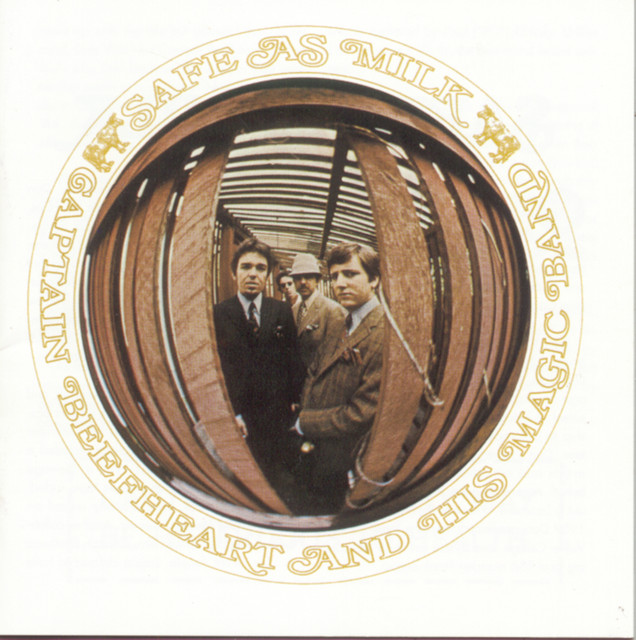
Captain Beefheart & His Magic Band – “Safe As Milk” (1967)

Rating: 8.5/10

Top Track: ‘I’m Glad’

When you talk to someone who’s really into vinyl and ask them why they prefer to listen to music through a turntable, there’s a good chance they’ll throw the term ‘warm sound’ into the conversation. Well, I’m here to jump on that bandwagon. My dad’s pressing of “Safe As Milk” was issued in 1970 and renamed “Dropout Boogie” for the UK “99” budget series. And boy, does this album have a warm sound. Blues just sounds better on vinyl. I’ve listened to this album a number of times on Spotify and it doesn’t hold a candle to this vinyl pressing. Under the stage name Captain Beefheart, frontman and musical genius Don Van Vliet kicks ass and inspires on his band’s debut album.

I had a tough time deciding what I thought was the top track on this album. There are so many great songs on both side of this album. A few honorable mentions would be ‘Sure ‘Nuff ‘n’ Yes I Do’, ‘Zig Zag Wanderer’, and ‘Abba Zabba’. I picked ‘I’m Glad’ because of it’s fantastic bass-line and classic melancholy, Blues-y feel. Not to mention the great guitar chord progressions and the soul in Don Van Vliet’s voice. Nobody will ever have a voice like that man again. For all of the upbeat and danceable tracks on this album, I’m Glad stands out by slowing down the whole momentum of the album and calms things down a bit; that’s probably why it’s one of Beefheart’s most popular songs, because of how different it was from all of his other works at the time. Oh, and it has the added element of horns too, I almost forgot! Beefheart really got it right with this track.

I mentioned in my first paragraph that Beefheart inspires with this album. Groups like The Black Keys, The White Stripes, and even the Red Hot Chili Peppers would not have made the music they’ve made or even formed if it weren’t for Captain Beefheart and more specifically, this album. Shoot, the Black Keys even covered one of the songs off this album, ‘Grown So Ugly’, on their album “Rubber Factory”. The reason Captain Beefheart and musicians like him don’t get the recognition they deserve is because he is a musician’s musician, if that makes sense. His sound may not mesh with the conventional music-listener’s ear, but to aspiring musicians who live, breathe, and sleep music put artists like Beefheart on incredibly high pedestals. Because he’s not conventional. He pushes the boundaries of music and what it could be. Beefheart served as one of the pioneers that made modern Blues Rock what it is today. No one had heard anything like Beefheart before Beefheart; that’s why I called him a genius.

I would be remiss if I didn’t address the fact that Don Van Vliet was on my dad’s Mount Rushmore of musical artists; the other’s being Frank Zappa, Neil Young, and Bob Dylan (all of which I plan to cover at sometime). Safe As Milk was probably one of his top 20, maybe even one of his top 10 favorite albums. HIs favorite album ever being “Trout Mask Replica” also by Captain Beefheart & His Magic Band. I wanted to save that one for later and start with Beefheart’s probably most well-known album. I don’t know when I’ll be able to get to “Trout Mask Replica” because there are a lot more albums I want to cover before I start double-dipping into artists.

I’m going to end this post on an honest note: if you’ve never heard anything by Beefheart before, this album may be a bit hard on the ears and a little difficult to listen to. Like I said, he’s not conventional. So, I’ll give you the advice of trying to go into this album open-minded and listen for the modern Blues themes that come through in each song. Keep in mind that our musical heroes also have musical heroes, and chances are that Captain Beefheart is one of them.

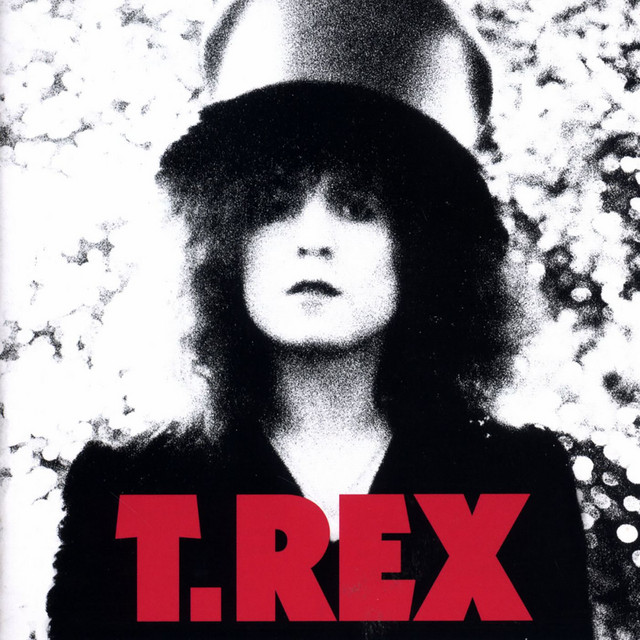
T. Rex – “The Slider” (1972)

Rating: 8/10

Top Track: ‘Ballrooms Of Mars’

I know, I know. Why write about a T. Rex album this early into my blog if it’s not “Electric Warrior”? That’s a fair question. To be frank, I simply can’t find it. I’m sure it’s somewhere in my dad’s collection. However, I like to be different anyways which is why “The Slider” is my favorite T. Rex album despite “Electric Warrior” containing hits like ‘Bang a Gong (Get It On)’ and ‘Cosmic Dancer’. The reason being is that this is the first T. Rex album I heard in its entirety; make that the first glam rock album I heard in its entirety. I swear, when I was 11-12 years old, I knew every single lyric on this album. I was a weird kid.

Okay, top track time. While every song on this album is close to my heart, none of them hold a candle to ‘Ballrooms Of Mars’. ‘Metal Guru’ and ‘Telegram Sam’ come close though. BOM, as I’ll call it for short, is actually one of my favorite songs of all-time and is in my top 10 of favorite ballads. Yes, my top track for this album is a ballad, but I implore anyone to listen to it and try not to melt just a little bit. Not to mention, BOM is on the soundtrack of one of my favorite movies ever and the best Jack Black Movie ever, School of Rock (sorry Nacho Libre). The sorrowful feeling of the song just fills you up and you can hear the heartbreak that songwriter and lead guitarist Marc Bolan must’ve been feeling when he wrote it. BOM is a near-perfect blend of acoustic and electric guitar that can make anyone sway and swoon along with the ‘Rex.

Fun fact, Ringo Starr took the photographs that eventually became the cover and back of the album; and the photos were taken on John Lennon’s estate. What?! I just thought that was pretty cool. Props to Ringo because it’s a pretty legendary photo. The off-centered subject, the slight fuzziness, plus who wear great top hats like that anymore? The whole pic just screams early punk rock to me. I was also surprised to find out with some light research that Marc Bolan, the genius behind the whole operation and the one consistent band member, was only 5’5″. One look at the album cover and one could be convinced he was over 6 feet. Just another fun fact.

I want to quickly give props to my man Marc Bolan as well. All songs on this album along with almost every other song on every other T. Rex album were written and composed by him. He and his band have never really been considered truly “mainstream,” but talent and song-writing skills were recognized by the likes of The Beatles and Elton John. Tragically he passed away in a car accident in 1977 right before he turned 30. Seeing as he was the driving force behind the band, T. Rex was finished. Nearly 50 years later, his band was finally inducted into the Rock & Roll Hall of Fame earlier this year. That is just ridiculous. A band this influential should have been inducted so much sooner and Marc Bolan should have been given the recognition he deserved, albeit posthumously.

I can’t recommend this album enough. If you like any kind of rock, this album should be a must-listen. There is nothing like Marc Bolan’s voice and the way he plays his Les Paul. Damn, this is such a fun album.